


Cascais during the Second World War: history along a cycling tour
During the Second World War (1939–1945), Cascais experienced one of the most remarkable periods in its history. While much of Europe was at war, Portugal remained neutral under the regime of António de Oliveira Salazar. This neutrality transformed Cascais into a safe haven for aristocrats, diplomats, and exiled royal families—far from the fighting, yet at the heart of international diplomacy.
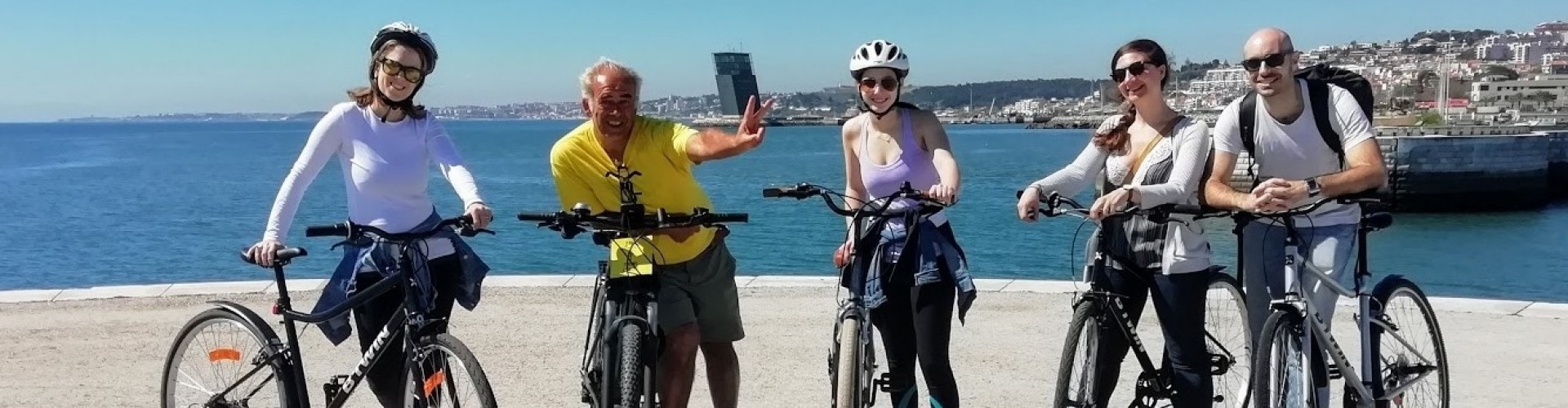
Today, on our cycling tour between Sintra and Cascais (Tour Link), we pass through many of the places directly connected to this historic period.
A refuge for kings, diplomats, and aristocrats
During the war, Cascais became a temporary home to several members of the European elite, including:
- King Umberto II of Italy
- King Carol II of Romania
- Members of the royal houses of Spain, Hungary, and Bulgaria
The region offered security, discretion, and proximity to Lisbon—one of Europe’s main exit points during the conflict. Many of these families settled in villas, palaces, and large estates along the coast.
From Guincho to Quinta da Marinha: privacy and safety

The cycling route enters Cascais through the Guincho area, one of the region’s most iconic beaches. During the Second World War, this more remote area provided peace and isolation—key factors for those seeking refuge.
Here lies Quinta da Marinha, known for its grand properties and elegant residences. These types of estates housed aristocrats and diplomats, sheltered from public attention yet strategically close to Atlantic maritime routes.
Espionage and diplomacy: the role of Estoril

Very close to the route is Estoril, which during the war became one of Europe’s main centers of espionage outside the conflict zones. The Estoril Casino served as an informal meeting point for both Allied and Axis agents, taking advantage of Portugal’s neutrality.
Cafés, hotels, and the casino became places for observation, information exchange, and discreet negotiations—an atmosphere that later inspired the world of James Bond.
The coastal road and Vila Itália: royal presence

Following the coastal road, the tour passes Vila Itália, the former residence of King Umberto II of Italy and a powerful symbol of the royal exile in Cascais. This area holds some of the most striking stories of European exile during and after the war.
Cycling here means riding through streets where, in the 1940s, diplomats, nobles, and international political figures once crossed paths.

Santa Marta Lighthouse and Cascais Bay
The route continues to the Santa Marta Lighthouse, a gift from King Carlos I and a symbol of Cascais’ long-standing connection to the sea and navigation. The former fortress beside the lighthouse recalls the strategic importance of the Portuguese coast.
We then arrive at Cascais Bay, the heart of the town. During the Second World War, this area was linked to the farewells and departures of many refugees who continued their journeys from Lisbon to the Americas.

The Cascais railway line: connection to Lisbon
The tour ends near the Cascais railway line, inaugurated in 1889, which permanently connected Cascais to Lisbon. During the war, this railway was essential for the discreet movement of diplomats, exiles, and refugees, reinforcing Cascais’ role as a strategic point in a continent at war.
